How to Choose the Right Swimming Pool Construction Company in Dubai
June 27, 2026
Swimming Pool Design Ideas for Dubai Homes: Trends Worth Considering
June 27, 2026
Swimming Pool Construction in Dubai: A Step-by-Step Guide for Homeowners
Building a pool in Dubai is not the same as building one almost anywhere else in the world. It can seem impossible to tackle until you even get a shovel in the ground, with the harsh desert environment, strict city rules, and large number of contractors vying for your business. This guide will help you know what to do, when to do it, and what questions to ask at each stage of building a swimming pool in Dubai.
Stage One: Site Assessment And Design
On any successful pool job, the first thing you do is a site visit, not a sales call. A good contractor will evaluate your soil, locate utility lines, determine where the sun hits your garden and decide how best to get heavy equipment in the area to be excavated. This also means looking at the setback rules for villa communities, as Dubai’s rules usually provide a minimum distance for a pool from the property line and from neighbouring buildings.
After a good evaluation of the site, you start the design phase. This is where you pick the shape, depth, finishes and extras like waterfalls, raised spas or LED lights. At this point, a 3D model is helpful as it lets you see what the finished product will look like before you commit to building it.
Stage Two: Permits And Municipality Approval
Many homeowners don’t think enough about this step. It is illegal to build a pool in Dubai without registering and approval through the Dubai Building Permits System. This system is managed by Dubai Municipality and is based on Local Order No. 11 of 2003 and Local Order No. 61 of 1991. The application package contains structural drawings, a reinforcement diagram, waterproofing requirements and a schematic of the filtration and pump systems.
DEWA is also responsible for clearing the plumbing and electrical connections, and the municipality is not the only authority involved. Dubai Civil Defence may also need to review the fire safety rules if the pool plant room has gas-fired heating equipment. The developer’s own approvals group also reviews villas within a managed community at an additional level. The usual procedure takes weeks, and a worker who knows Dubai’s system will ensure the submissions are right the first time. This will prevent delays by ensuring that applications are properly prepared before they are submitted.
Stage Three: Excavation And Structural Work
Once permission is given, digging can start. The pool shell is normally constructed of reinforced concrete, cast and formed according to approved building plans. This step is the most crucial part of the whole build. The beauty of the tiled surface on a shell is irrelevant if the shell is not properly reinforced or waterproofed, especially with material unsuitable for Dubai’s soil and groundwater. It will eventually crack, leak or move.
Here, the plumber and electrical conduit for the pump room, lighting, and any water features are laid. This work must be done before the shell is sealed.
Stage Four: Waterproofing, Tiling, And Finishes
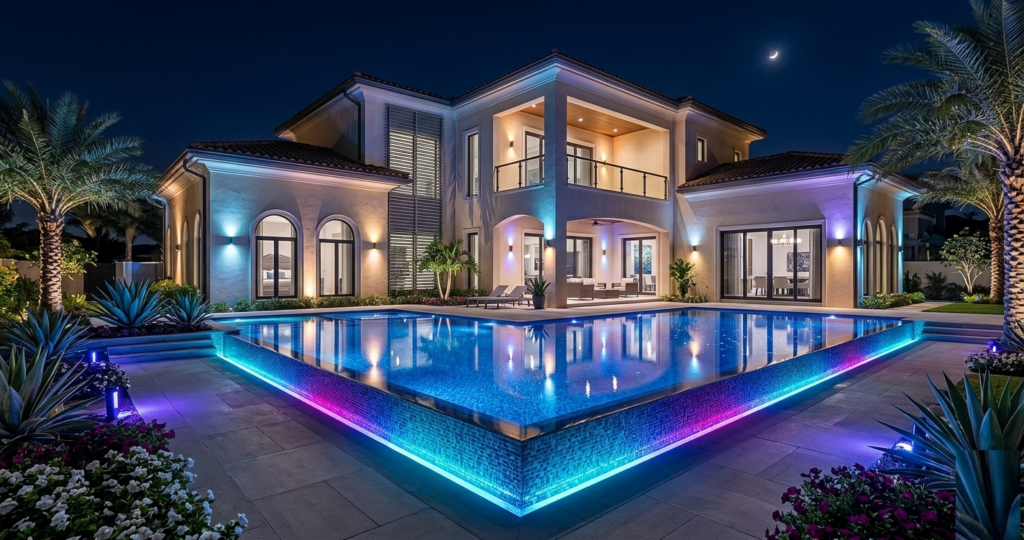
When the structural shell is dry, it is waterproofed in one coat, taking care to work around corners, steps and any holes for drains or lights, as these are the places where leaks are most likely to occur again if not properly attended to. After checking that the waterproofing is working, tiles or plaster finishes are applied. Mosaic glass tiles, natural stone coping and darker interior finishes are preferred in Dubai and are increasingly popular globally because of the way they appear at night with underwater lights.
Stage Five: Equipment Installation And Water Testing
The automation systems, heater (if any), pump, filter and heater are all installed and connected. Then the pool is filled with water and tested. The chemical balance is checked, and each jet, light, and feature is tested to ensure it functions properly. A conscientious worker will not call the job complete until the water has been tested and the area is thoroughly cleaned. This means you get a pool that works, right out of the box, not one that takes days to sort out once the job is handed over.
What Makes Green Creation’s Process Different
With over 20 years’ experience and more than 8000 jobs completed in the UAE, our process is honed to take the guesswork out of the equation that makes homeowners unhappy. The same project manager will manage your build from first site visit to final handover. This way you won’t have to run back and forth between departments or search for information. The structure and protection standards we use are based on Dubai’s unique climate stresses, such as ground movement, strong UV rays, and fast evaporation, which affect pools differently than in cooler, wetter climates.
We have built pools for large companies, such as Emaar, Meraas and Sobha, as well as hotel chains like Hilton. This means we check our quality standards against those for businesses, not just homes.
Frequently Asked Questions
How long does the entire process of constructing a swimming pool take in Dubai?
From the first site visit to a swimmable pool, most villa projects take between three and four months when you include design, permit approval, and construction. The construction itself, once permits are approved, typically takes 8 to 12 weeks.
Can construction start before the permit is approved?
No. Starting construction before Dubai Municipality approval is granted is against regulations and can result in fines or a stop-work order. A responsible contractor will never begin excavation before approvals are confirmed.
What is the most common cause of pool construction delays in Dubai?
Incomplete or incorrect permit submissions are the most frequent cause. Missing structural details or inconsistent drawings can cause the application to be returned for correction, adding several weeks to the timeline. Working with an experienced contractor significantly reduces this risk.
Does the pool deck need separate approval?
Deck and walkway specifications, including slope for drainage and slip resistance, are part of the same swimming pool submission reviewed by Dubai Municipality, so they do not require a separate application but must meet the same code requirements.
Is concrete or fibreglass better for Dubai’s climate?
Reinforced concrete remains the most common choice in Dubai because it allows full customisation of shape and size and performs reliably under the region’s heat and ground conditions when built and waterproofed correctly. Fibreglass shells are faster to install but offer less flexibility in design.
Call / WhatsApp: ☎ +971 50 948 4081
Email: info@green-creation.com